A multitasking terminal forClaude Code
Run multiple Claude Code sessions in parallel, give each agent its own git worktree and branch, track what every agent is doing at a glance, and answer approvals and questions without getting lost in tabs and windows. Built for macOS, and for humans who multitask with AI.
stop chasing your agents . . .
- Are your eyes dry from reading scrollback, hunting for the one line that tells you what actually happened?
- Are your wrists numb from navigating windows and tabs?
- Are you never sure which agent is stuck, on task, or has decided to go rogue?
- Have you assigned an orchestrator, only to find five agents quietly stalled?
one crystl, to rule them all
- Anoint an orchestrator who actually monitors its workers and can read their terminals.
- Hand an agent party a questline, with levels they must complete to move on.
- Run agents in parallel across all your projects, each agent in its own git worktree.
And with auto-resume and persistent history, you can always pick up where you left off.
built for Claude Code
Every shard is a real Claude Code session. crystl wraps it in the things Claude Code can't give you on its own: parallel sessions, live approval cards, project config, and orchestration.
Hooks become live panels
Claude Code's hooks pipe approvals, questions, and notifications into floating glass panels. Answer "Do you want to proceed?" the moment it appears. No hunting for the right window.
CLAUDE.md manager
Keep named CLAUDE.md starter files and drop the right instruction set into any project when you open it. Different rules for different kinds of work, one click away.
Parallel Claude sessions
Run many Claude Code agents on the same repo at once. Each isolated shard gets its own git worktree and branch, so their live in-repo edits stay in separate working directories until integration.
Subagent orchestration
A built-in crystl CLI that Claude Code itself can call: spawn shards, read other terminals, handle approvals, and fan work across projects from any shell.
Context & token tracking
Watch how many tokens each turn burns and how much of Claude's context window is left. Disable heavy plugins and skills to stretch a session further.
MCP, skills & history
Configure MCP servers and skills per project, keep full conversation history, and restore sessions after a restart. The whole Claude Code workflow, organized.
conduct an orchestra of agents
Every project is a gem, every terminal session a shard. crystl's cavrn terminal produces agent-readable metadata that agents can parse in real time. Session history is a searchable database saved to your machine.
run more agents at once
parallel in separate worktrees
Run a fleet of agents on the same repo at once. Each isolated shard gets its own git worktree and branch, and off-screen shards throttle to near-zero render work, so scaling from two agents to a dozen stays light on your Mac.
agent orchestration
Spawn numerous agents across projects: Claude Code, Codex, and more. Anoint an orchestrator to manage subagents (guild only), or launch an adventure party with crystl quest.
crystl quest
Assemble a roundtable of role-played agents in a shared chat. They divide the work, debate the approach, and report back. Multi-agent orchestration you can actually follow.
hero shards
Summon a single hero as a shard: a solo specialist with its own agent, model, and persona. The right expert for the task in front of you, one click away.
they come to you
floating cards
Approval requests, questions, and notifications float on screen as glass cards, color-coded by gem. Spot what needs you and respond without hunting through a wall of terminal windows.
workbench
Keep a shared task list in every project, backed by a plain WORKBENCH.md. You and the agent see the same list. It checks items off and adds what it finds as it goes.
token tracking
crystl counts the tokens every turn burns and projects how many you have left. Open the panel to see what each plugin and skill costs, and disable the heavy ones to stretch your context further.
crystl on iphone
Your whole roster in your pocket. Monitor which agents need input, approve access, answer questions, and spawn new agents. Free over Wi-Fi; connect from anywhere via encrypted relay on Guild. Now on the App Store.
built on a real terminal
cavrn terminal
The terminal as structured data. crystl's engine captures every turn, tool call, result, and table as agent-readable metadata, so agents can read each other's sessions, not just watch them. Drawn fast on the GPU with Metal.
open models
Run open models on your hardware or through a managed host. Set them up once, orchestrate them alongside frontier agents, and save on tokens.
remote development
SSH into any machine and keep every crystl feature working. Approval cards, file drag-and-drop, and click-to-open all flow through the tunnel automatically.
agent-callable CLI
guild membershipA built-in crystl CLI lets you (and agents themselves) spawn shards, read terminals, and handle approvals from any shell. Orchestrator agents fan work out across projects without ever touching the GUI.
project optimizer
Scan any project for gaps in agent configuration (missing files, thin docs, oversized code) and fix each one with a single click.
crystl on your iPhone
Spend less time at your desk while your agents stay busy. crystl for iOS puts all your projects in your pocket: see who needs input, approve access, and spawn new agents from anywhere.


crystl quest
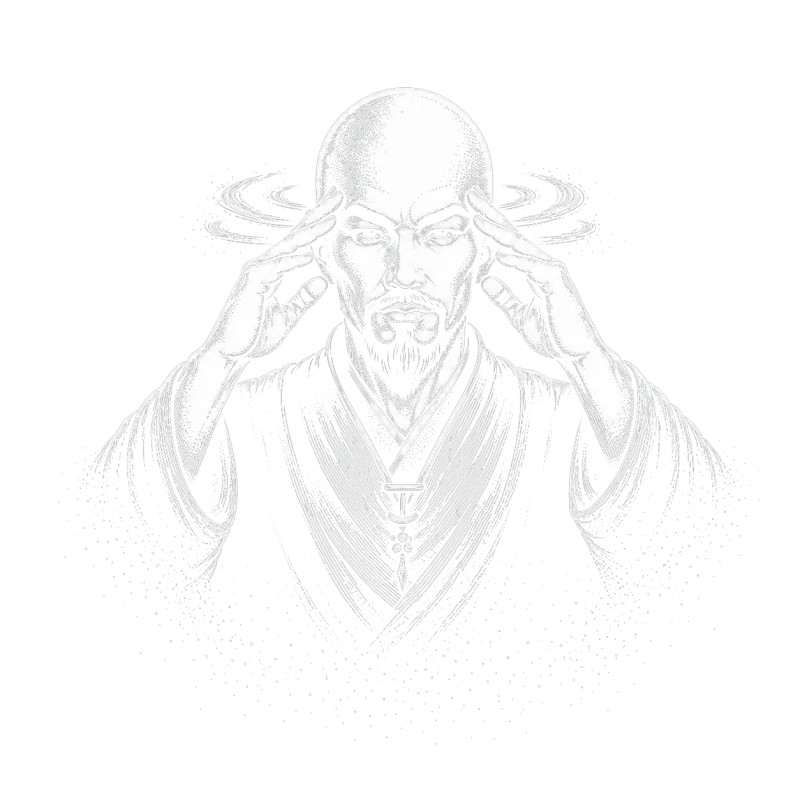
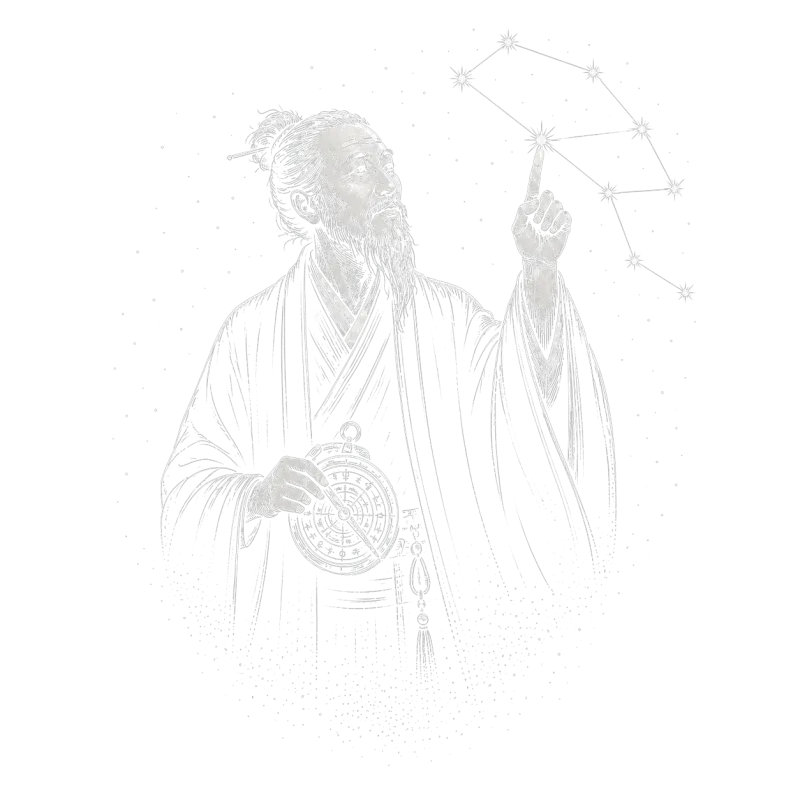
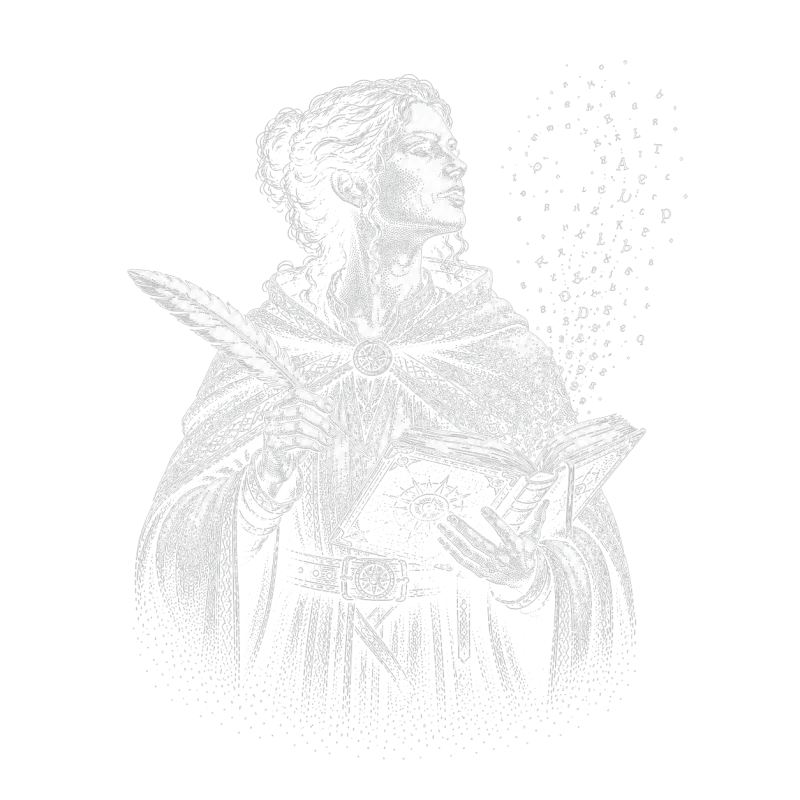
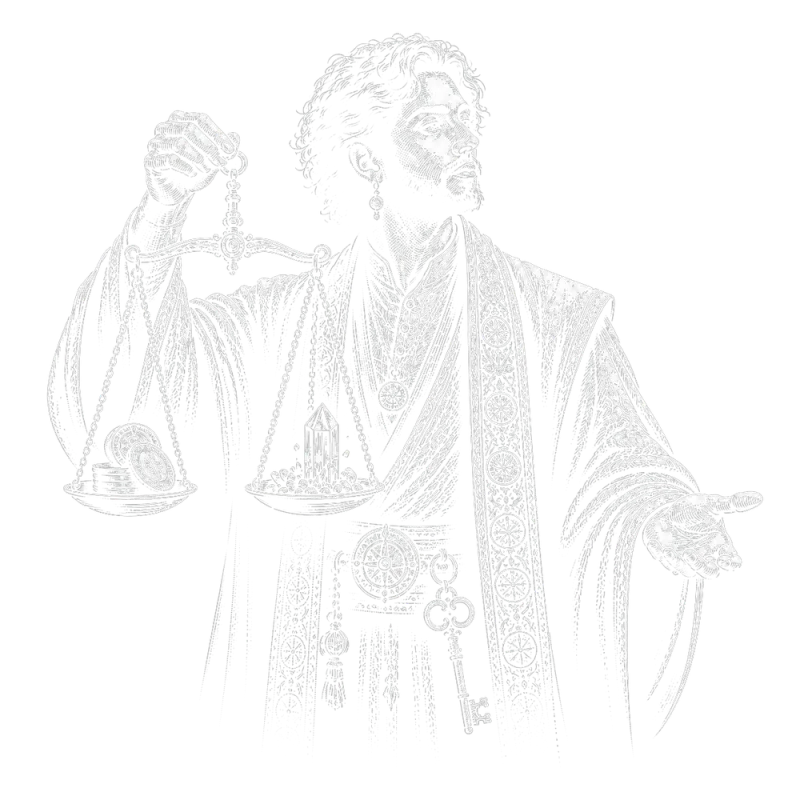
Assemble a party of specialized agents. Each brings unique skills, coordinates in shared chat, and executes in parallel, without stepping on each other's toes.
choose your heroes
 ✦✦✦✦
✦✦✦✦ ✦✦✦✦
✦✦✦✦ ✦✦✦✦
✦✦✦✦ ✦✦✦✦
✦✦✦✦ ✦✦✦✦
✦✦✦✦ ✦✦✦✦
✦✦✦✦ ✦✦✦✦
✦✦✦✦ ✦✦✦✦
✦✦✦✦ ✦✦✦✦
✦✦✦✦ ✦✦✦✦
✦✦✦✦ ✦✦✦✦
✦✦✦✦ ✦✦✦✦
✦✦✦✦ ✦✦✦✦
✦✦✦✦ ✦✦✦✦
✦✦✦✦ ✦✦✦✦
✦✦✦✦ ✦✦✦✦
✦✦✦✦ ✦✦✦✦
✦✦✦✦ ✦✦✦✦
✦✦✦✦ ✦✦✦✦
✦✦✦✦ ✦✦✦✦
✦✦✦✦ ✦✦✦✦
✦✦✦✦ ✦✦✦✦
✦✦✦✦ ✦✦✦✦
✦✦✦✦ ✦✦✦✦
✦✦✦✦ ✦✦✦✦
✦✦✦✦ ✦✦✦✦
✦✦✦✦ ✦✦✦✦
✦✦✦✦ ✦✦✦✦
✦✦✦✦ ✦✦✦✦
✦✦✦✦ ✦✦✦✦
✦✦✦✦ ✦✦✦✦
✦✦✦✦ ✦✦✦✦
✦✦✦✦ ✦✦✦✦
✦✦✦✦ ✦✦✦✦
✦✦✦✦ ✦✦✦✦
✦✦✦✦Works with worktree isolation or shared directories. You command the party.
Your adventure awaits . . .
View plans & pricingClaude Code in crystl vs. Claude Desktop
Claude Desktop is one chat, in one window. Claude Code in crystl is an orchestra: many Claude sessions working your real codebase in parallel, each visible and steerable from a single screen.
| Capability | Claude Desktop | crystl + Claude Code |
|---|---|---|
| Run many Claude sessions at oncecrystl runs unlimited parallel Claude Code shards; Claude Desktop is one conversation in one window. | ✕ | ✓ |
| Each agent isolated in its own git worktreeSeveral agents work the same repo simultaneously without ever stepping on each other. | ✕ | ✓ |
| Real terminal: run git, tests, buildsEvery shard is a full terminal session, not a chat box. | ✕ | ✓ |
| Tool approvals surfaced as panelscrystl floats approvals and questions from every session on screen at once, color-coded by project. | ~ | ✓ |
| Orchestrate subagents & fan out workAn agent-callable CLI and quest parties let Claude Code spawn and steer other agents. | ✕ | ✓ |
| Remote development over SSHSSH into any machine and keep approval cards, drag-and-drop, and click-to-open working. | ✕ | ✓ |
| Named CLAUDE.md starter files per projectStore instruction sets and drop the right one into any project on open. | ✕ | ✓ |
| Live token & context-window trackingSee what each turn burns and how much context is left; trim heavy skills to stretch it. | ✕ | ✓ |
| Mix in other agents (Codex, Antigravity)Run Claude Code alongside any other CLI agent in the same window. | ✕ | ✓ |
| MCP serversBoth support MCP; crystl adds per-project configuration. | ✓ | ✓ |
Comparing native capabilities. crystl is a macOS terminal. It runs the Claude Code CLI, so you also get plan mode, slash commands, and everything else Claude Code ships with.
Frequently asked questions
- What's the best terminal for Claude Code?
- crystl is a macOS terminal built specifically for Claude Code. Every shard runs the Claude Code CLI, and crystl adds what a plain terminal can't: run multiple sessions in parallel, surface hook approvals as on-screen panels, manage CLAUDE.md files per project, and track token and context usage. It also works as a regular terminal for any command-line work.
- Can I use crystl instead of tmux to run Claude Code?
- Yes, and it's built for it. tmux multiplexes terminal panes but knows nothing about your agents. crystl is agent-aware: it groups Claude Code sessions into projects, gives each isolated agent its own git worktree and branch, and floats approvals and questions as on-screen panels instead of burying them in a pane you have to switch to. You get the parallelism of a multiplexer plus controls tmux can't offer.
- How do I run multiple Claude Code sessions at once?
- In crystl, each project is a gem that holds multiple terminal shards: open as many Claude Code sessions as you want and run them side by side. Isolated shards each get their own git worktree and branch, so many agents can work the same repo simultaneously without stepping on each other.
- How do I keep track of multiple Claude Code agents?
- crystl shows every session at a glance: which agents are working, which are waiting on you, and what each one needs. Approval requests and questions float as glass panels color-coded by project, so you answer the right agent without hunting through windows, and token tracking shows how much context each session has left.
- What is a multitasking terminal for AI agents?
- It's a terminal that lets you handle many different tasks and agents at once without getting lost in tabs and windows. crystl solves this in several ways. Every project is discoverable by name and a custom colored icon, and a dockside rail keeps them all in one place: click an icon and that project comes forward. Agentic hooks surface 'floating cards' for approvals, questions, and notifications that you can act on by clicking a button or typing a reply, without switching to that project at all. Orchestration makes multitasking easier still: assign an orchestrator agent to run subagents, or launch crystl quest to spawn a preselected party of agents that collaborate on a task together. And a per-project workbench keeps a shared task list your agents read and write alongside you, so nothing falls through the cracks.
- Does crystl only work with Claude Code?
- No. Any CLI agent runs in crystl, since every shard is a full terminal session. The deeper integrations depend on what each agent exposes: Claude Code has the deepest integration, and Codex supports hooks too, so approval cards and notifications work for both. Antigravity CLI doesn't support hooks yet, so those features aren't available for Antigravity sessions, but everything else works.
- Do I need crystl if I already run Claude Code in a terminal?
- Probably not, if one agent on one project at a time is all you do. crystl is for the point where you want more than that. Several agents running at once, each on its own branch. Notifications telling you which one is stuck and what it needs. A searchable record of every session, kept on your own machine. Schedules that run work while you're away from the desk. The friction it removes mostly shows up once you stop working one session at a time.
- Why was crystl built?
- Every feature started as a problem that came up running agents across half a dozen projects in a day. Switching tabs just to find out which agent was waiting. Writing the same long catch-up prompt at the start of every session. Two agents editing the same file and overwriting each other. Work that needed to happen at 6am without anyone watching it. None of it was on a roadmap; each one was a day where the friction got annoying enough to build something. The full list is on the about page.
- Can I use crystl for regular terminal work?
- Yes. Every shard is a full terminal session. You can use crystl as your daily terminal for any command-line work: git, npm, docker, ssh, whatever you need. The AI-specific features are there when you want them.
- What is the CLAUDE.md manager?
- crystl lets you store and name different CLAUDE.md starter files. When you open a project, you can insert the right starter file into the directory, useful if you maintain different instruction sets for different types of work.
- Why did my new shard open in a different directory than my last one?
- Every shard starts at its gem's project directory. Running cd in one shard only moves that shard; the next shard you create still starts at the gem root, so a project's shards stay predictable no matter where any one of them has wandered. crystl prints a hint in the new shard when this happens. If you do want a shard to start where you are, right-click (or control-click) the shard button. And if you start an agent in a sub-project (a git repo inside your gem), crystl offers to open that folder as its own gem, a suggestion you can always dismiss.
- Where did the isolation button go?
- Its jobs moved closer to the things they act on. Creating an isolated shard now happens with the isolated-shard button in the shard bar (or the File menu). Merging and rebasing live on each shard's tab: a shard with unmerged commits shows a small ↑N badge you can click, and every action names the branch, target, and commit count so you know exactly what will move. A 'branches' button appears in the shard bar only when orphaned worktree branches exist, listing parked work from closed shards so you can reattach, merge, or discard it.
- Is crystl free?
- The free plan includes isolated shards & parallel sessions, floating cards, the agent activity panel, split view, history navigator, token tracking, workbench, project optimizer, agent file editor, screenshot & copy bars, MCP servers, API key storage, remote development over SSH, Metal-accelerated GPU rendering, facet inserts, and scheduling, agent or command, up to 3 schedules. The Guild plan ($170/year) adds the Prompt Library integration, formations (with session restore), CLI orchestration, unlimited scheduling, and priority support.
- Does crystl work on Linux or Windows?
- crystl is macOS only. It's a native Swift app and it uses macOS-specific features like the Keychain for secure API key storage.
Latest from the blog
Meta-orchestration: the layer above your agent orchestrator
Orchestration is one agent splitting work and running workers in a project. Meta-orchestration is the layer above: watching every project, routing work.
The best AI agent orchestration tools for coding in 2026
Comparing tools that run multiple AI coding agents at once: Conductor, Vibe Kanban, Claude Squad, crystl, Cursor cloud agents, Sculptor, and plain tmux.
Agent communication protocols: A2A, ACP, and MCP
A2A is agent to agent, MCP is agent to tool, and two different things are both called ACP. What each is, who governs it, and where the confusion starts.